Insights
Crude Oil and Natural Gas in Energy Markets
Rasya Azkha
•
7 Minutes
read
•
Dec 23, 2025
The performance of crude oil and natural gas markets is closely tied to shifts in supply, demand, and international relations. These elements determine price volatility and long-term energy market stability.
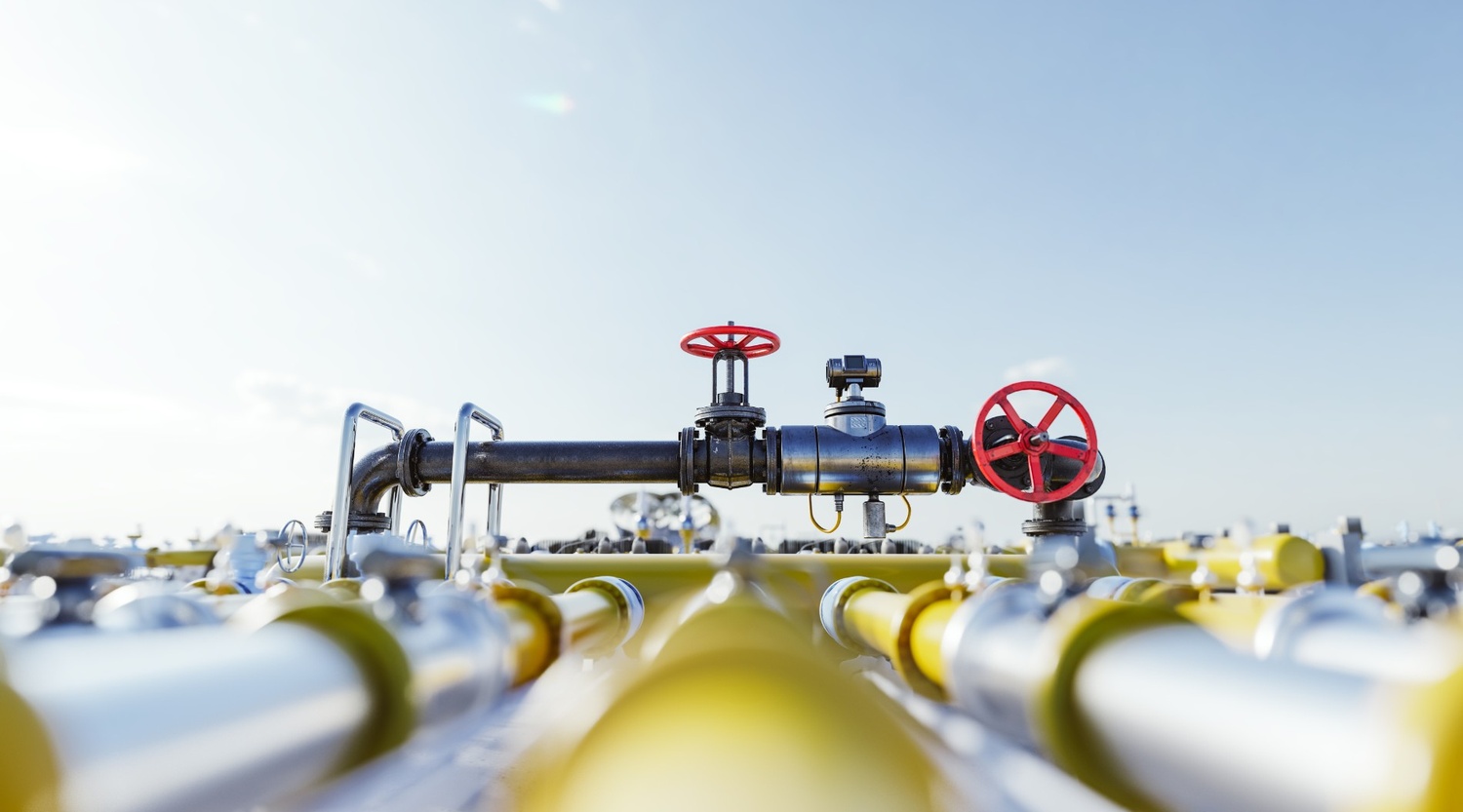
This article explores natural gas and crude oil, two cornerstone fossil fuels that power the global economy. It explains how each resource is formed, how they are used across homes, industry, and transport, and why their prices have historically been linked.
By examining the evolution of oil indexation and today’s market dynamics, the discussion clarifies how these fuels compare as energy sources and why neither can be judged in isolation within modern energy and environmental debates.
What is Natural Gas?
Natural gas is a naturally occurring energy resource composed primarily of hydrocarbon gases, formed over millions of years beneath the Earth’s surface. It is commonly found deep underground, often alongside other fossil fuels such as crude oil and coal, within porous rock formations.
Natural gas is a naturally occurring energy resource composed primarily of hydrocarbon gases, formed over millions of years beneath the Earth’s surface. It is commonly found deep underground, often alongside other fossil fuels such as crude oil and coal, within porous rock formations.
Before it can be used, natural gas must undergo processing to remove impurities and separate valuable components, transforming it into a cleaner and more efficient fuel suitable for consumption. Once refined, it plays a vital role in modern energy systems, serving as a major fuel for electricity generation and residential, commercial, and industrial heating.
In addition to stationery uses, natural gas can be compressed and utilized as an alternative fuel for vehicles, offering a lower-emission option than traditional petroleum-based fuels.
What is Crude Oil?
Crude oil is a naturally occurring liquid resource formed over millions of years from the remains of ancient plants and animals buried beneath layers of sediment and rock. Under intense heat and pressure, this organic matter transformed into a fossil fuel rich in hydrocarbons.
Chemically, crude oil is a complex mixture of liquid hydrocarbons, mainly hydrogen and carbon, with smaller amounts of sulfur, nitrogen, and oxygen. As a non-renewable resource, it cannot be replaced at the rate it is consumed, making its supply finite.
After extraction, crude oil is refined into essential products such as gasoline, diesel, liquefied petroleum gases, and petrochemical feedstocks. These uses make crude oil a vital global commodity that supports energy production, transportation, industrial processes, and overall economic activity worldwide.
Read also: Is Gold a Commodity or Currency?
How Crude Oil Affects Natural Gas Prices
Crude oil’s finite supply gives it substantial influence over global economic conditions and geopolitical dynamics, which have historically shaped pricing across energy markets, including natural gas. For many years, natural gas prices were commonly linked to crude oil through a pricing mechanism known as oil indexation.
This approach was built on the idea that oil products and natural gas could replace one another. In sectors such as power generation and industrial operations, users were able to switch between fuels when prices shifted. Because of this flexibility, natural gas and crude oil prices often moved in the same direction.
In practice, however, this relationship has always been inconsistent. While crude oil and natural gas prices sometimes show a positive correlation, they often respond to different underlying factors such as regional supply constraints, weather patterns, storage levels, and infrastructure capacity.
Statistical studies confirm that although short-term correlations do occur, the overall long-term relationship between the two is relatively weak.
Before the 2010s, oil indexation dominated many gas markets. Following the 2008–2009 global financial crisis, however, the rise of hub based pricing led natural gas prices to diverge sharply from oil linked benchmarks.
Today, crude oil and natural gas prices are largely separated, overlapping mainly during periods when broad supply-and-demand pressures affect both markets simultaneously.
Which is the Better Energy Source?
Determining whether natural gas or crude oil is the better energy source depends mainly on how and where the energy is used. Natural gas is a gaseous fossil fuel composed primarily of methane and is commonly used for heating, electricity generation, and as an industrial feedstock.
Crude oil, by contrast, is a liquid hydrocarbon refined into fuels such as gasoline, diesel, and jet fuel, making it essential for transportation and many industrial activities.
In residential settings, natural gas is widely used for cooking and heating, while crude oil is rarely consumed directly in homes. Industrially, natural gas plays a key role in power generation, fertilizer production, and plastics manufacturing, whereas crude oil dominates transportation, aviation, and heavy machinery operations.
From an environmental perspective, natural gas burns cleaner than oil, producing fewer carbon dioxide emissions per unit of energy due to its higher hydrogen-to-carbon ratio.
This makes it a comparatively lower-emission fossil fuel. However, crude oil is easier to store and transport and supports a wider range of applications across the global economy.
Ultimately, both are fossil fuels that contribute to greenhouse gas emissions. Because they serve different purposes and impacts, it is difficult to label one as definitively “better” than the other.
Read also: How to Invest in Renewable Energy Effectively?
Conclusion
Natural gas and crude oil remain essential yet contrasting components of the world’s energy system. While natural gas offers cleaner combustion and flexibility for power and industry, crude oil underpins transportation and a wide range of manufactured products.
Their pricing relationship has weakened as markets have evolved, reflecting distinct supply and demand drivers. Understanding these differences helps clarify energy choices today, while also highlighting the broader transition challenges as economies balance reliability, affordability, and environmental responsibility.