Insights
The Importance of Agricultural Products in Modern Economies
Rasya Azkha
•
7 Minutes
read
•
Feb 11, 2026
Agricultural products include primary outputs derived from farming and cultivation activities. These goods serve as essential resources for food supply, industrial production, and economic activity across domestic and international markets.
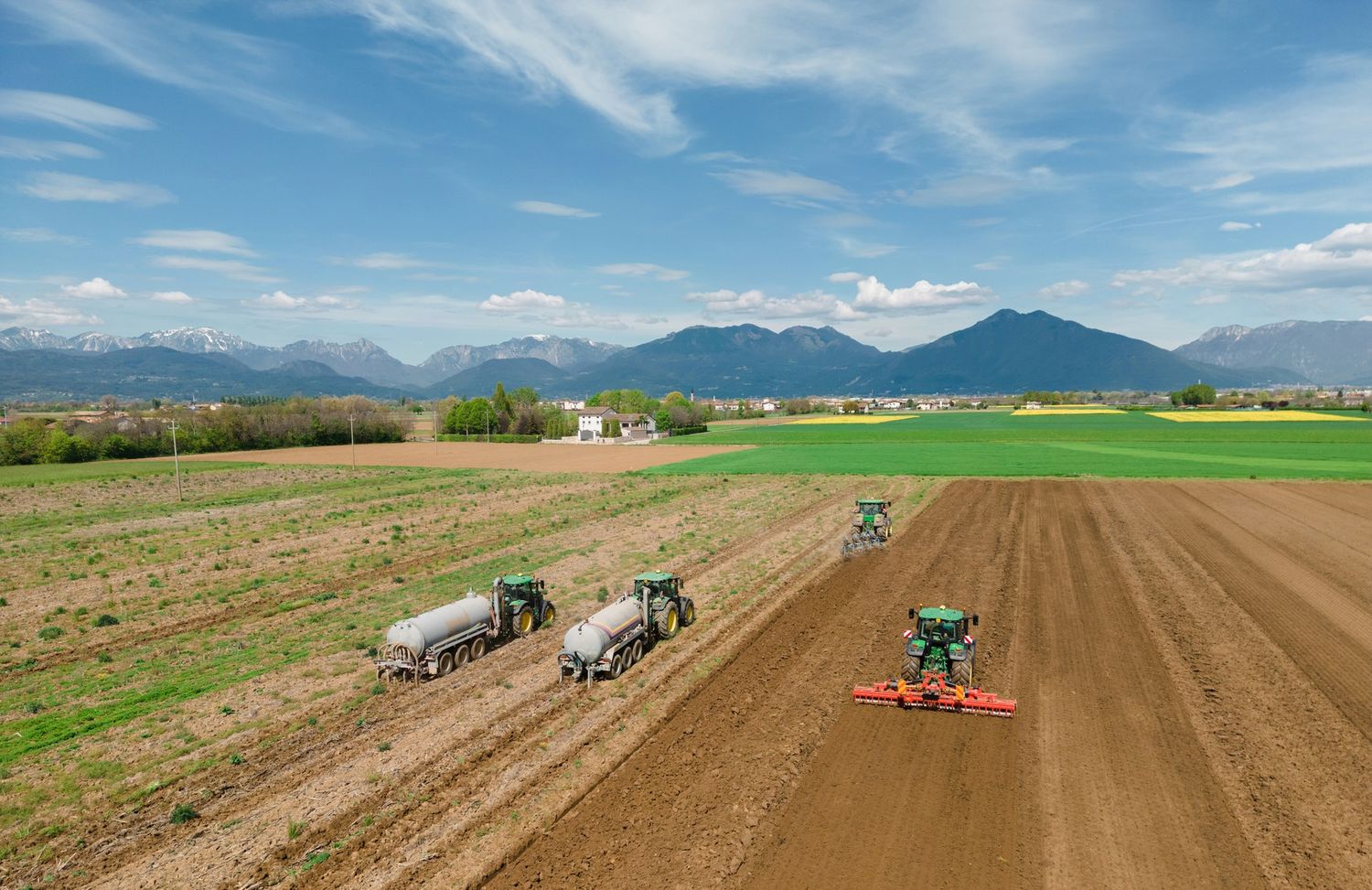
An overview of agricultural products, their key types, economic importance, role in food security, global trade, and Indonesia’s agrarian landscape.
Introduction:
Agricultural products form the foundation of global food systems and many industrial supply chains. From crops and livestock to fibers and biofuels, these products support daily life, economic growth, and trade. This article explores what agricultural products are, their importance, and Indonesia’s role as a major producer.
What is an Agricultural Product?
Agricultural products are goods produced through farming and related activities, including cultivating plants, raising animals, and managing biological resources. They originate from crops, livestock, forestry, aquaculture, and microorganisms, making agriculture a highly diverse and essential sector.
In general, any good that is grown, raised, or harvested on a farm can be classified as an agricultural product.
Often referred to as agricultural produce or agro products, these goods form the backbone of the global food system. They provide the primary inputs for food manufacturing and processing industries, supporting both human and animal consumption.
Examples include grains, dairy products, farmed fish, honey, and animal feed.
Beyond food, agricultural products play a broader economic role. Certain crops, such as corn and sugarcane, are used to produce biofuels such as ethanol, which can be blended with gasoline. Agricultural fibers, including cotton, wool, and silk, are essential raw materials for textiles, rope, and cloth.
Many agricultural products also serve as raw materials, used directly or to support further agricultural production, reinforcing their importance across multiple industries.
Read also: Natural Gas Investing: How to Get Started
The Top 10 Agricultural Products
According to the University of the Potomac, the 10 most common commodities sought after include:
- Wheat
- Corn
- Oats
- Barley
- Rice,Paddy
- Seed Cotton
- Soybeans
- Cow Milk
- Sugar Beet
- Sugar Cane
The Importance of Agricultural Products
Economic Impact
Agricultural products play a vital role in economic development, especially in developing countries where agriculture contributes significantly to GDP. The sector generates widespread employment, from farming and processing to logistics and exports.
Across both emerging and industrialized economies, agricultural products support growth and trade, while farmland itself represents a valuable asset that influences investment returns and public revenues through property taxes.
Food Security
Agricultural products are essential to food security by ensuring a stable and affordable food supply. Reliable production helps reduce hunger and malnutrition, while diverse crops support healthier diets and lower chronic disease risks. When agribusinesses invest in community-based farming, they strengthen supply chains and build consumer trust through ethical, sustainable sourcing.
Trade and Export
Agricultural products play a vital role in trade and exports, with many countries relying on commodities such as coffee, rice, and livestock to reach global markets. For developing economies, these exports are often a key source of foreign exchange, helping stabilize national finances while strengthening international trade ties and diplomatic relationships.
Agricultural Products in Indonesia
Indonesia’s agricultural sector is shaped by its rich natural endowment and long-standing role in food and commodity production. With vast areas of fertile land and atropical climate, Indonesia is a major global producer of a wide range of agricultural products, particularly those suited to tropical conditions.
Although agriculture’s share of national GDP has declined over the past five decades as industry and services have expanded, the sector remains a crucial source of income for many Indonesian households.
Looking ahead, agriculture is expected to continue growing, though at a more moderate pace compared with other sectors of the economy. Large-scale plantations are primarily oriented toward export commodities such as palm oil and rubber, which generate significant foreign exchange.
In contrast, smallholder farmers focus on staple crops and food production, including rice, soybeans, corn, fruits, and vegetables. Indonesia’s most important agricultural products include palm oil, rubber, cocoa, coffee, tea, cassava, rice, and various tropical spices.
To strengthen food security, the government has placed strong emphasis on self-sufficiency, particularly in rice, the country’s primary staple.
Read also: Crude Oil and Natural Gas in Energy Markets
Conclusion
Agricultural products remain essential to economic stability, food security, and international trade. As demand for food and sustainable resources grows, agriculture continues to evolve in both global and local contexts. In Indonesia, balancing export-driven growth with domestic food self-sufficiency will remain central to the sector’s future development.