Insights
Silver Supply and Demand Trends: Market Outlook for 2026
ACM Exchange
•
7 Minutes
read
•
Jun 17, 2026
Silver supply and demand in 2026 tells a story of a market in deficit. Industrial demand from solar, EVs, and electronics continues to outpace what mines can produce, creating a structural supply gap with no immediate resolution in sight.
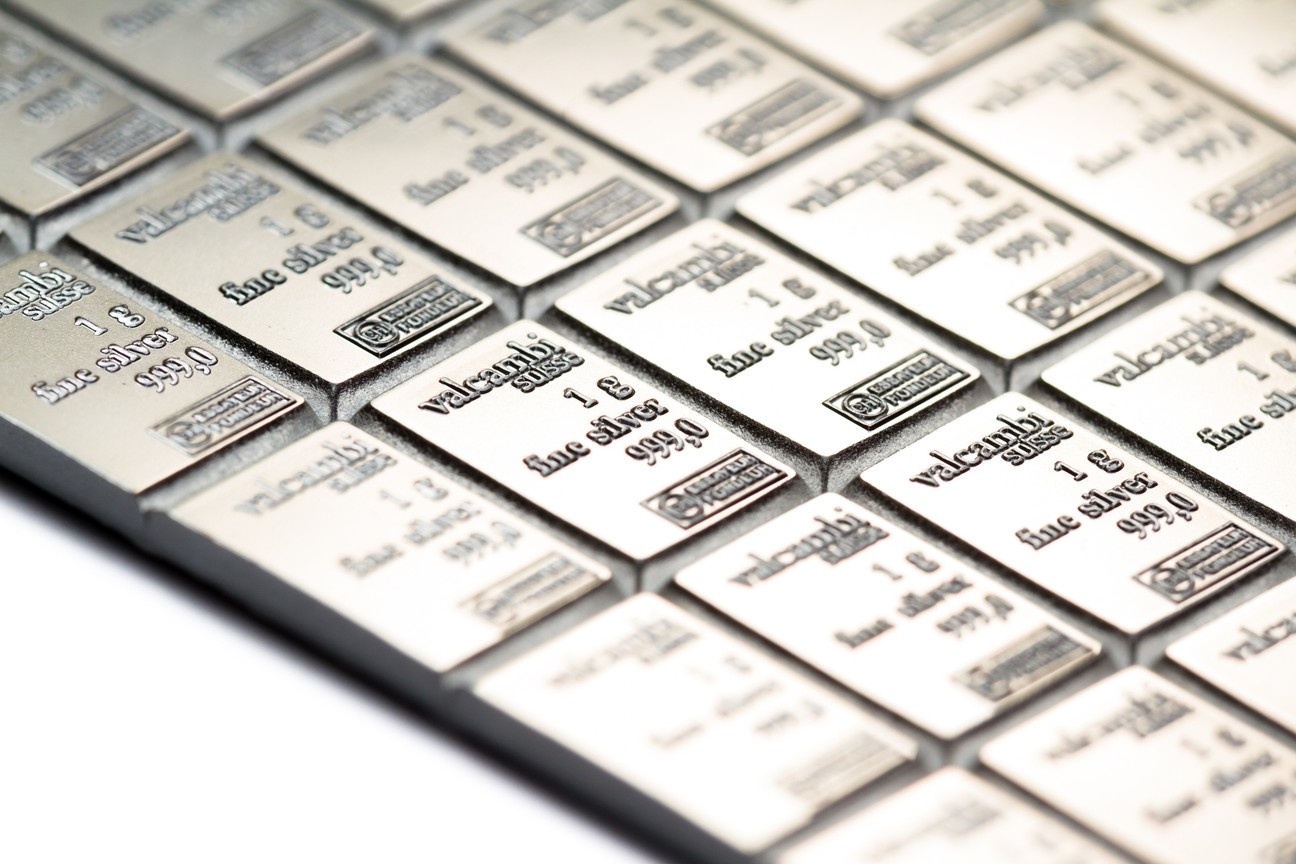
Silver remains one of the most structurally complex commodities within the global metals market. Understanding silver supply and demand dynamics has become increasingly important as the metal serves both as a precious metal and a critical industrial input. Unlike gold, which is primarily driven by monetary demand, silver exhibits a hybrid demand profile that combines investment characteristics with extensive industrial applications.
This dual function has become increasingly relevant in recent years as industrial consumption has expanded significantly, reshaping the global silver market balance. In 2026, silver supply and demand trends are largely influenced by structural demand linked to electrification, renewable energy, and advanced manufacturing, alongside a relatively inelastic supply base.
Silver Industrial Dominance
Global silver supply and demand dynamics are increasingly defined by industrial usage, which now accounts for most of the total consumption.
The Silver Institute (2026) projects that industrial demand will remain the largest demand segment in 2026, despite a modest decline to approximately 650 Moz (million ounces), accounting for more than half of total global silver demand. This demand continues to be supported by applications in electronics, power infrastructure, and renewable energy systems.
Key industrial segments include:
- Electronics and semiconductors
- Solar photovoltaic (PV) systems
- Electric vehicles (EVs) and battery technologies
- Power grid and infrastructure development
The expansion of these sectors has elevated silver’s role from a traditional precious metal to a strategic industrial material. In parallel, structural demand continues to broaden as digital infrastructure and electrification trends continue to expand.
Other demand components include jewelry, silverware, and silver investment, though these segments represent a smaller and more cyclical share of total consumption. Investment demand, in particular, remains sensitive to macroeconomic conditions and financial market sentiment.
Read also: How Gold Prices are Determined in Global Markets
Energy Transition as a Structural Demand Driver
The global energy transition remains a key driver of structural demand in the silver market.
Silver is a critical input in solar photovoltaic technology due to its superior electrical conductivity. While solar energy remains an important source of silver demand, photovoltaic demand is projected to decline in 2026 as manufacturers continue to reduce silver loading and adopt substitution technologies, according to the Silver Institute (2026).
Despite continued growth in global solar installations, increasing efficiency in silver usage and the adoption of alternative materials are expected to moderate demand growth from the photovoltaic sector.
At the same time, electrification trends, including the growth of EVs and digital infrastructure, are reinforcing long-term demand. Electric vehicles, for instance, require significantly more silver than internal combustion engine vehicles due to greater electronic complexity.
Although technological advancements, such as reduced silver loading in solar cells, may moderate demand intensity in certain applications, growth in EVs, data centers, and AI infrastructure may provide partial offsets. Nevertheless, the Silver Institute (2026) projects a modest overall decline in industrial silver demand in 2026.
Silver Production Challenges: Supply Dynamics
On the supply side, the silver market is characterized by limited responsiveness and structural rigidity.
Global supply is derived from three primary sources:
- Mine production
- By product output from lead, zinc, copper, and gold mining
- Recycling
A defining feature of the silver market is that most of the silver production originates as a by-product of other metals, limiting the ability of supply to respond directly to silver price signals.
This structural dependency creates a lag in supply adjustments, as mining output decisions are primarily driven by the economics of base metals rather than those of silver.
Recycling provides a secondary source of supply. However, current forecasts suggest that recycling growth may be insufficient to offset ongoing industrial demand and projected market deficits fully.
Market Balance in 2026: Why Silver Remains in Structural Deficit
The interaction between robust demand and constrained supply has resulted in a sustained imbalance in the global silver market.
According to current industry estimates published by the Silver Institute, the silver market is projected to record a sixth consecutive year of supply deficits in 2026. However, actual outcomes may differ materially due to economic, technological, regulatory, and market developments. Total global supply is projected to reach approximately 1.05 billion ounces.
Despite this increase, demand remains elevated, supported by industrial consumption and a rebound in physical investment, leading to continued reliance on above-ground inventories to bridge the supply and demand gap.
While current industry forecasts indicate continued tightness in the silver market, demand projections remain subject to changes in global economic growth, technological innovation, substitution trends, government policy developments, and broader financial market conditions. Future market outcomes may differ materially from current expectations.
Read also: 7 Reasons Why Gold Prices Are Rising
Conclusion
Silver supply and demand trends in 2026 continue to reflect the growing importance of industrial consumption, particularly from renewable energy, electrification, and advanced manufacturing sectors.
While demand remains robust, supply growth continues to face structural constraints due to the industry's reliance on by-product mining and limited expansion of recycling.
Although current forecasts suggest ongoing market deficits, future silver market conditions remain subject to technological developments, economic trends, and policy changes.